
What is the ash content in coal-based granular activated carbon?
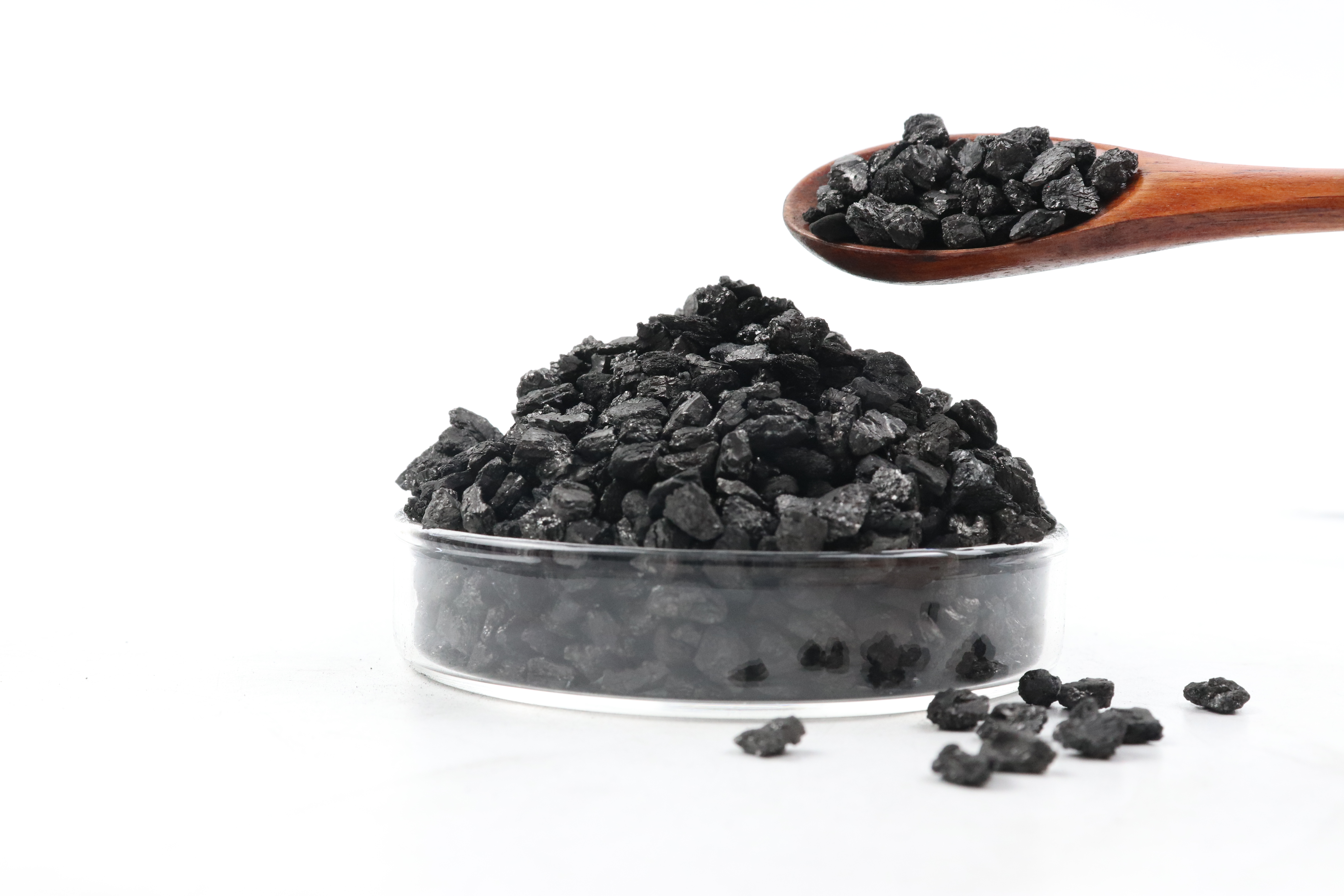
Ash refers to the inorganic mineral residues remaining after activated carbon is fully burned at high temperatures, mainly including oxides or salts of elements such as silicon, aluminum, iron, calcium, and magnesium. The ash content of coal-based granular activated carbon is usually between 3% and 15%, depending on the quality of the raw coal, the activation process, and subsequent treatment.
Affecting the adsorption rate: Some ash components (such as silicates) may clog the micropores or pore openings of activated carbon, reducing the rate at which the target substance diffuses into the pores. In liquid-phase adsorption (such as water treatment and decolorization), this effect is more pronounced, manifesting as a longer time required to achieve the same adsorption effect.
Increased difficulty and cost of recycling: Metal oxides in ash may sinter or the catalyst may coke during high-temperature regeneration (such as thermal regeneration), accelerating the structural deterioration of activated carbon. The regeneration yield of high-ash activated carbon is usually lower than that of low-ash products, and its adsorption performance declines more rapidly after multiple regenerations.
It may cause secondary pollution: In certain applications (such as high-purity chemical filtration and advanced drinking water treatment), trace amounts of iron and aluminum ions in ash may leach out during use, adversely affecting the treated materials or water quality.
Still have questions?
-What ash content of activated carbon is suitable for my operating conditions?
-Can high ash content products be reduced through acid washing?
-Can you provide samples for small-scale testing?
For any of these questions, please feel free to contact us. Kelin offer free small-batch sample testing support.

 Get Free Sample
 WhatsApp