
Kelin has focused on the production and sales of activated carbon for decades. We are familiar with the application and common sense of activated carbon.
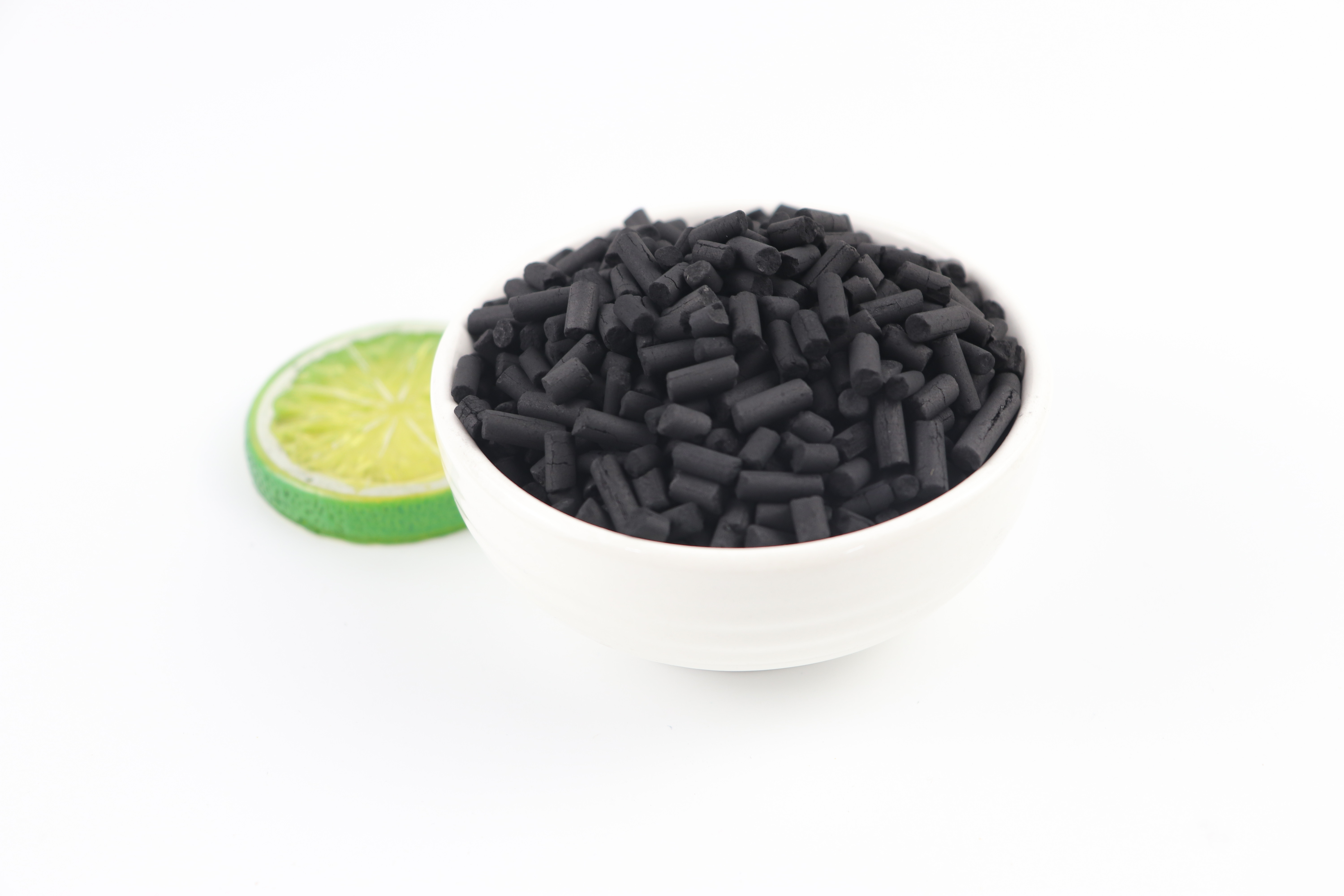
Columnar activated carbon is high efficiency adsorbent for industrial flue gas desulfurization and denitrification. It effectively removes SO2 and NOx, low ash, high strength, good regeneration performance for dry flue gas treatment.
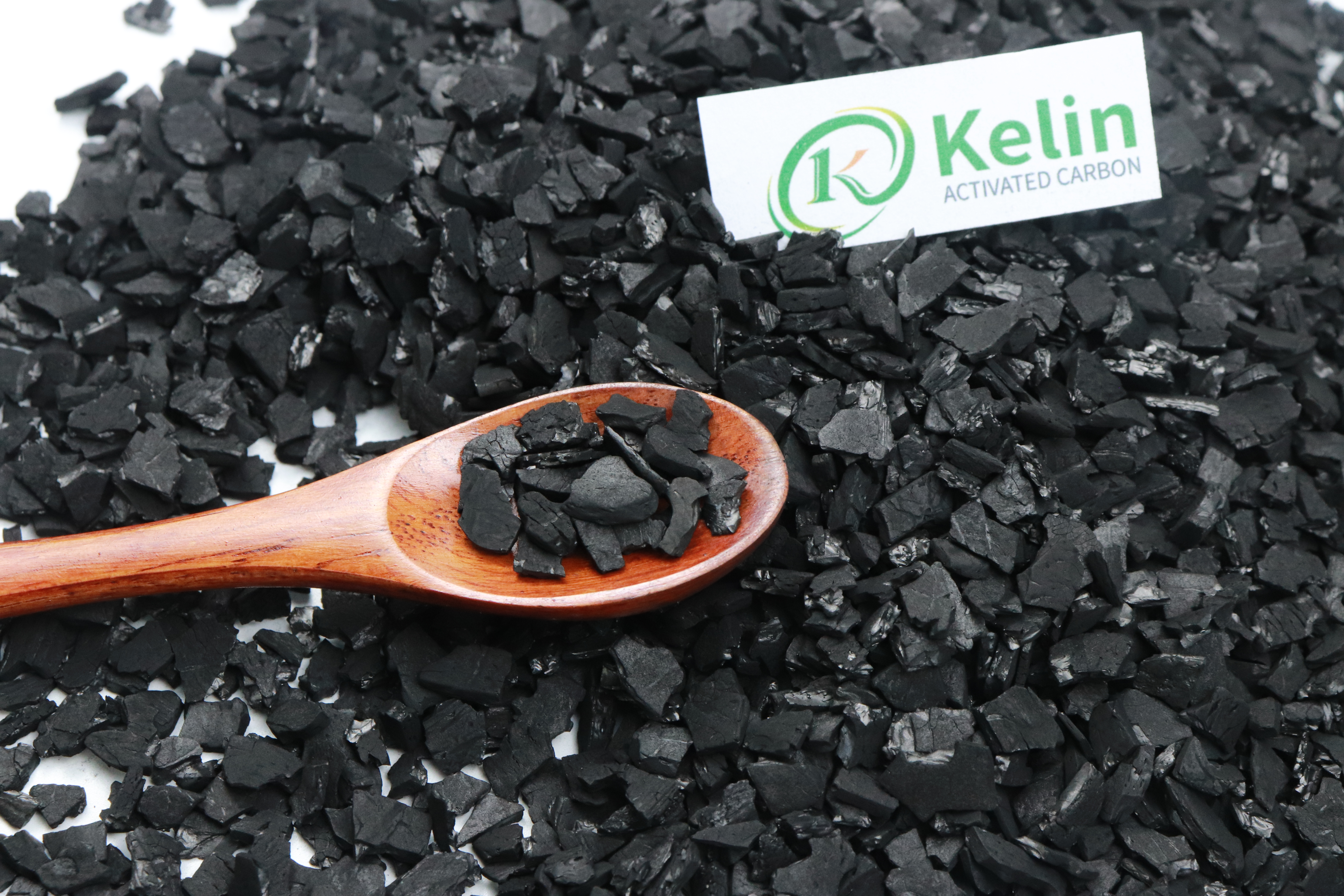
With controllable quality and stable performance, coconut shell activated carbon excels in the purification of residual chlorine, odors, and pigments. It is suitable for a wide range of water purification scenarios and helps reduce operation and maintenance costs.
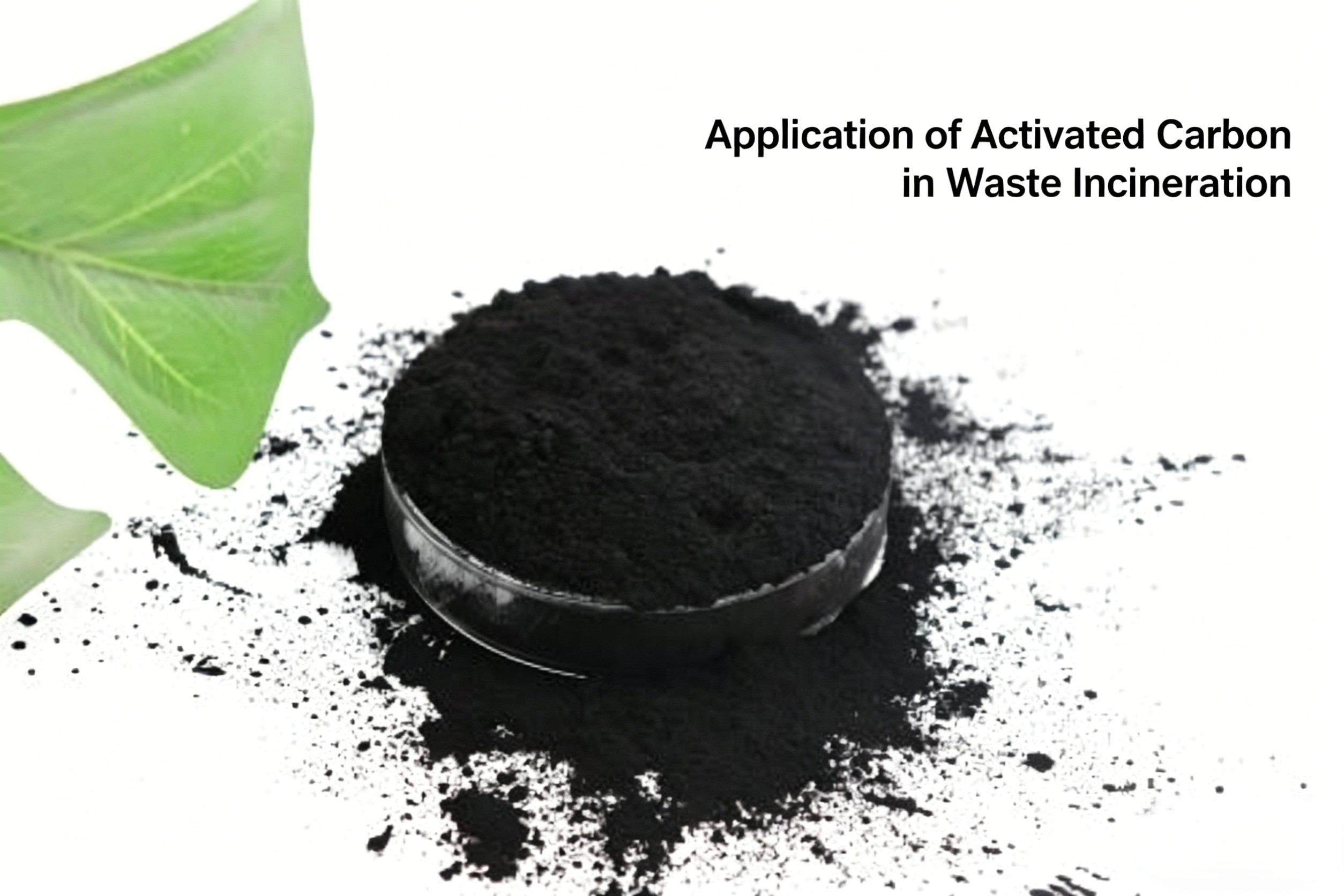
Waste incineration is one of the methods for disposing of municipal solid waste. Harmful gases are generated during the incineration process. Virgin activated carbon is utilized during this process to adsorb the resulting toxic gases and heavy metals.
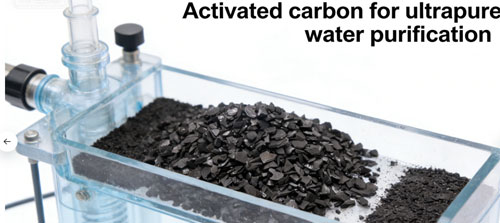
Ultrapure water is produced through a multi-stage purification process designed to remove the vast majority of impurities—including ions, microorganisms, and other contaminants—from water. Its purity level far exceeds that of ordinary drinking water, such as commercially bottled mineral water or tap water, making it suitable for use in fields such as laboratory analysis, the electronics industry, and pharmaceutical manufacturing.
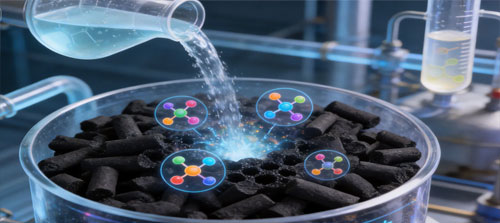
Activated carbon is an adsorbent material widely utilized in fields such as water treatment, air purification, and desulfurization and denitrification. Its adsorption mechanism primarily relies on its highly developed porous structure and large specific surface area, which enable it to effectively adsorb and remove a wide variety of organic and inorganic substances. The activated carbon adsorption process can be broadly categorized into two types: physical adsorption and chemical adsorption. Physical adsorption depends mainly on van der Waals forces acting between the activated carbon and the adsorbate, whereas chemical adsorption results from chemical reactions occurring between the chemical functional groups on the activated carbon's surface and the adsorbate.
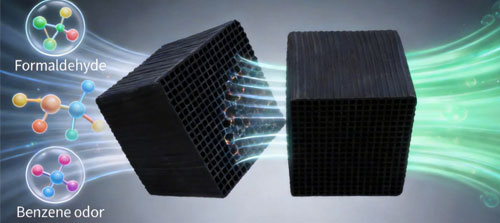
Honeycomb activated carbon is manufactured by blending carbon powder of a specific fineness with additives (such as binders and lubricants), followed by molding and high-temperature curing. Both the choice of additives and the curing process exert a significant influence on the properties of the activated carbon. By loading catalysts—such as certain metals—onto the honeycomb activated carbon substrate, honeycomb activated carbon-based catalysts can be produced. Based on variations in loading methods and procedures, preparation techniques can be broadly categorized into five main types: polymerization-carbon coating, mixed extrusion, impregnation-deposition, ion exchange, and precipitation-deposition. Honeycomb activated carbon is characterized by excellent adsorption performance, a large geometric surface area, superior kinetic properties, and high chemical stability.
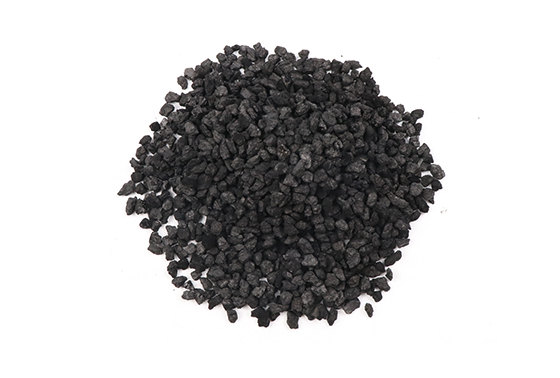
Chemically activated carbon is typically produced using cellulose-containing raw materials, such as wood, sawdust, or walnut shells. These materials are also referred to as biomass sources. In the chemical activation process, the raw material is first impregnated with compounds that induce strong dehydration and oxidation. The compounds typically used today are phosphoric acid and zinc chloride, although potassium hydroxide, sodium hydroxide, and calcium chloride have also been utilized in the past.
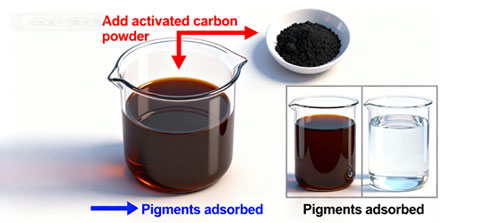
In the brewing, bottling, and soft drink production processes, activated carbon is mainly used for decolorization, odor removal, taste improvement, and product stability enhancement.

The core requirements for activated carbon in automotive cabin air filters mainly focus on high adsorption performance, low air resistance, and compatibility with composite filtration structures.
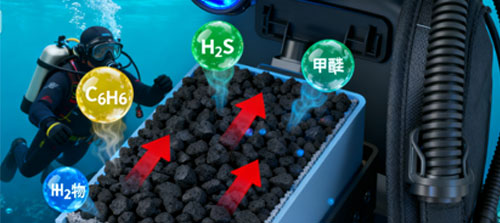
For the confined environment of diving equipment, ordinary air-purifying carbon is often insufficient; specially treated "impregnated activated carbon" is required.
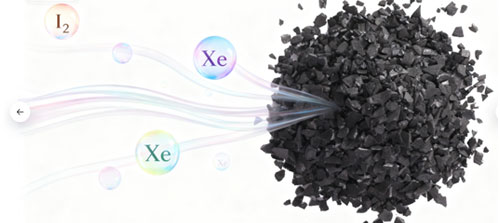
The treatment of radioactive gases from nuclear power plants requires differentiation between iodine-based and inert gases: radioactive iodine requires nuclear-grade impregnated activated carbon (TEDA/KI composite impregnated coconut shell base), while inert gases require high specific surface area coconut shell/fruit shell base extended bed activated carbon. Both must be virgin materials and comply with ASME AG-1/ASTM standards.
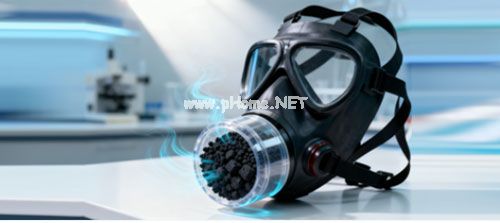
1. Understanding "Impregnated Activated Carbon" The activated carbon used in gas masks is not ordinary activated carbon, but impregnated activated carbon (also

 Get Free Sample
 WhatsApp