Your Location: HOME > Products > By Shape > Granular Activated Carbon

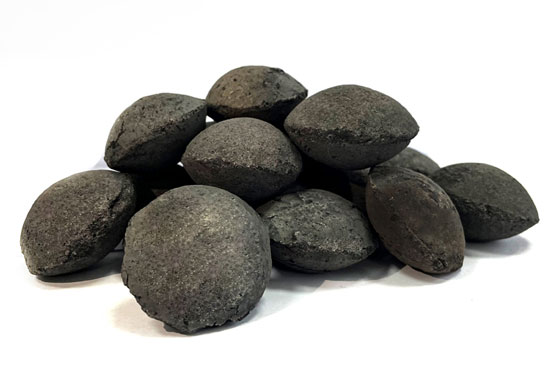
Iron-loaded carbon

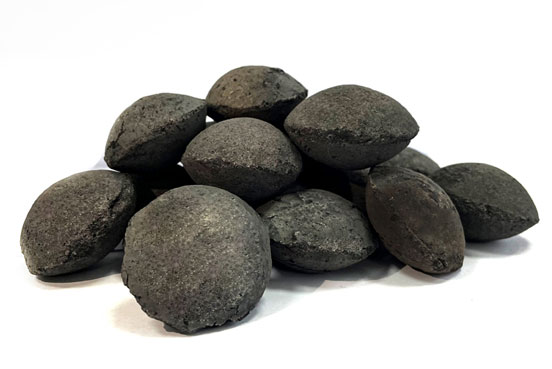
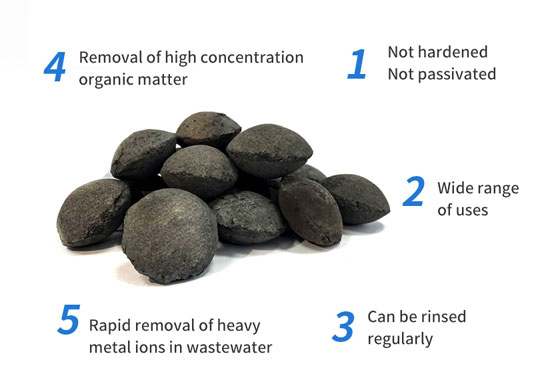
Iron-carbon is a composite material formed by combining iron and carbon through a specific process. It possesses multiple electrochemical, adsorption, and catalytic properties and is widely used in environmental protection, agriculture, energy, and other fields.

Mail to Us for More

[email protected]

Product Introduction

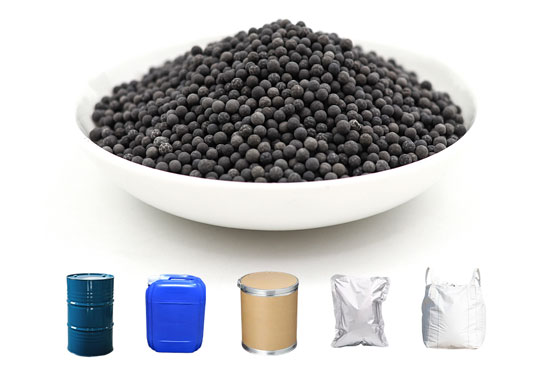
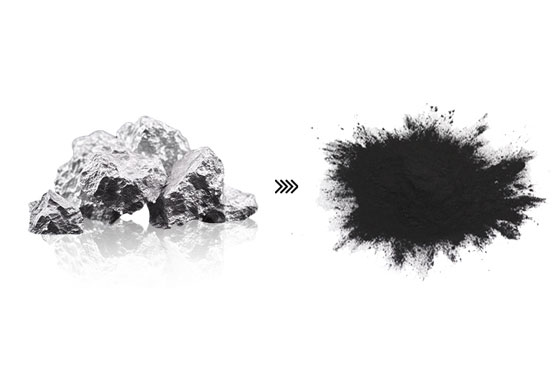
Iron-carbon is a composite material formed by combining iron and carbon through a specific process. It possesses multiple electrochemical, adsorption, and catalytic properties and is widely used in environmental protection, agriculture, energy, and other fields.
Details: 

  • Hardness:95%
  • Iron content:75%
  • Density :1.1g/cm3


Application :

  1. Industrial Wastewater Treatment
  • Removal of Highly Difficult Pollutants: Iron-carbon micro-electrolysis technology achieves an 81% COD removal rate and over 95% color removal rate for printing and dyeing wastewater; a COD removal rate exceeding 94% for chemical wastewater, and an improvement in biodegradability (B/C) by 0.15-0.28.
  • Fenton Synergistic Process: Adding H₂O₂ to the micro-electrolysis effluent forms a Fenton system, achieving a COD removal rate of 97% for pesticide wastewater, significantly reducing treatment costs.

        2.Soil Remediation and Agriculture

  • Heavy Metal Pollution Control: Applying 0.08%-1.0% iron-based biochar can reduce the effective cadmium content in soil by 40-60%, increase the cadmium compliance rate of rice to over 90%, and increase soil organic carbon content by 15-20%.
  • Fertility Enhancement: Iron-carbon composites promote plant root development by absorbing ammonium nitrogen and releasing iron ions, resulting in an 18% increase in strawberry yield and a 22% improvement in nitrogen utilization efficiency.

        3.Energy and Emerging Fields

  • Supercapacitor Electrodes: Phenolic resin-modified iron-carbon composites achieve a specific capacitance of 379.2 F/g and a cyclic stability of 97.2%, while reducing costs by 25% compared to traditional activated carbon.
  • Gas Storage: The microporous structure efficiently adsorbs CH₄ and H₂, achieving an adsorption capacity of 180 v/v in natural gas vehicle tanks and 2.1 wt% hydrogen.

Customized Products & Services

Any Help?

If you want to get a quotation or more product details, please leave us a message.

Contact details leave us at least one: Email or Tel/Whatsapp Chat Online

WRITE TO US

Request A Free Quote

Send us a message if you have any questions or request a quote. Our experts will give you a reply within 24 hours and help you select the right activated carbon you want.

Get A Free Consultation
And Quote